Best Flashlights of 2026: Bright, Durable, and Reliable Picks for Every Adventure
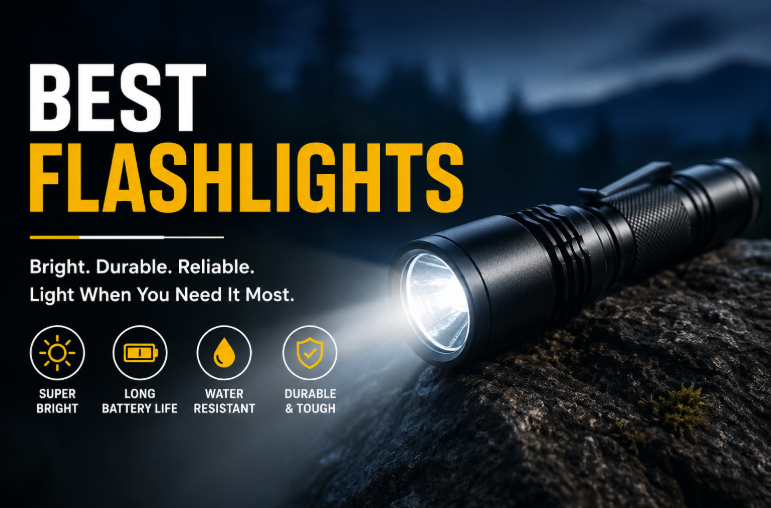
Best Flashlights: The Ultimate Buying Guide for Every Situation
A flashlight is one of those everyday tools that most people don't think about until they desperately need one. Whether you're dealing with a power outage, hiking through the wilderness, repairing your vehicle at night, or preparing an emergency kit, having a reliable flashlight can make all the difference.
Today's flashlights are far more advanced than the bulky incandescent models of the past. Modern LED flashlights deliver incredible brightness, longer battery life, waterproof construction, multiple lighting modes, rechargeable batteries, and compact designs that fit easily into your pocket.
With hundreds of options available, choosing the best flashlight can feel overwhelming. This guide will help you understand everything you need to know before making a purchase.
Why Everyone Should Own a Quality Flashlight
Many people rely on their smartphone flashlight until they realize its limitations.
A dedicated flashlight offers:
-
Much brighter illumination
-
Longer runtime
-
Better battery efficiency
-
Greater durability
-
Water resistance
-
Emergency signaling features
-
Safer operation outdoors
-
Improved visibility over long distances
Whether you're an outdoor enthusiast or simply want to prepare for emergencies, investing in a quality flashlight is always worthwhile.
What Makes a Great Flashlight?
Not every flashlight is created equal.
The best flashlights combine several important characteristics:
1. Brightness
Brightness is measured in lumens.
General guidelines include:
-
50–100 lumens: Reading and indoor use
-
150–300 lumens: Walking and home use
-
500–1000 lumens: Camping and outdoor activities
-
1000–3000+ lumens: Professional and tactical applications
Remember that more lumens aren't always better. Extremely bright flashlights consume more battery power and generate more heat.
2. Beam Distance
A flashlight's beam distance determines how far the light can travel.
Some flashlights provide a wide flood beam for close work, while others offer a focused spotlight capable of illuminating objects hundreds of meters away.
Many premium models combine both.
3. Battery Type
Flashlights typically use:
Rechargeable Lithium-Ion Batteries
Pros:
-
Cost-effective
-
Eco-friendly
-
High performance
-
Long runtime
Cons:
-
Need charging access
AA or AAA Batteries
Pros:
-
Easy to replace
-
Available almost everywhere
Cons:
-
Higher long-term cost
-
Less powerful
CR123A Batteries
Popular in tactical flashlights because they:
-
Work well in cold weather
-
Have long shelf life
-
Deliver high output
Types of Flashlights
Different situations require different designs.
Everyday Carry (EDC) Flashlights
EDC flashlights are compact enough to carry in your pocket every day.
Ideal for:
-
Walking at night
-
Finding lost items
-
Home repairs
-
Daily tasks
Tactical Flashlights
Designed for:
-
Law enforcement
-
Security professionals
-
Military applications
-
Self-defense preparedness
Features often include:
-
High brightness
-
Strobe mode
-
Durable aluminum body
-
Waterproof construction
Camping Flashlights
Outdoor users need flashlights that provide:
-
Long battery life
-
Multiple brightness levels
-
Water resistance
-
Lightweight construction
Some models even include lantern functionality.
Headlamps
Instead of holding a flashlight, headlamps allow hands-free operation.
Perfect for:
-
Hiking
-
Running
-
Construction
-
Vehicle repairs
-
Night fishing
Emergency Flashlights
Emergency flashlights often include:
-
USB charging
-
Solar charging
-
Hand crank charging
-
SOS mode
-
Power bank functionality
These are excellent additions to emergency preparedness kits.
Essential Features to Look For
LED Technology
Modern LEDs are:
-
Brighter
-
More efficient
-
Longer lasting
-
Cooler operating
Many LED bulbs can last over 50,000 hours.
Waterproof Rating
Look for IP ratings such as:
-
IPX4: Splash resistant
-
IPX6: Heavy rain resistant
-
IPX7: Temporary immersion
-
IPX8: Continuous underwater use
Outdoor users should consider IPX7 or IPX8.
Build Quality
Aircraft-grade aluminum is the preferred material because it offers:
-
Excellent durability
-
Corrosion resistance
-
Lightweight performance
Premium flashlights also feature anti-slip grips and impact resistance.
Lighting Modes
Most quality flashlights include:
-
High
-
Medium
-
Low
-
Moonlight
-
Strobe
-
SOS
Having multiple modes extends battery life while increasing versatility.
Rechargeable USB-C Charging
USB-C charging has become the preferred standard because it offers:
-
Faster charging
-
Universal compatibility
-
Convenient travel use
Best Uses for Flashlights
Camping
A dependable flashlight helps with:
-
Cooking
-
Setting up tents
-
Finding gear
-
Hiking trails
-
Wildlife awareness
Emergency Preparedness
Power outages happen unexpectedly.
A flashlight should always be stored in:
-
Emergency kits
-
Vehicles
-
Bedrooms
-
Kitchens
Home Security
A bright flashlight helps investigate:
-
Strange noises
-
Outdoor activity
-
Electrical problems
-
Lost pets
Automotive Repairs
Mechanics appreciate compact flashlights for:
-
Engine work
-
Tire replacement
-
Roadside emergencies
Magnetic bases make repairs even easier.
Hiking
Outdoor adventurers need lightweight flashlights with long battery life and dependable waterproof protection.
How Many Lumens Do You Really Need?
Many buyers assume brighter is always better.
In reality:
Around 100 Lumens
Suitable for:
-
Reading
-
Walking indoors
Around 300 Lumens
Great for:
-
Household tasks
-
Walking outside
Around 800 Lumens
Excellent for:
-
Camping
-
Hiking
-
Search tasks
Over 1500 Lumens
Recommended for:
-
Professional use
-
Tactical situations
-
Large outdoor areas
Rechargeable vs Disposable Batteries
Rechargeable Advantages
-
Lower operating cost
-
Environmentally friendly
-
Higher brightness
-
Better long-term value
Disposable Advantages
-
Easy replacement
-
Ideal for emergency storage
-
No charging required
Many experienced users keep both rechargeable and disposable-powered flashlights.
Common Mistakes Buyers Make
Avoid these mistakes:Buying Only Based on Lumens
Brightness is important, but runtime and beam quality matter too.
Ignoring Waterproof Ratings
Even light rain can damage cheaper flashlights.
Choosing Cheap Plastic Models
A durable aluminum flashlight lasts much longer.
Forgetting Runtime
Some ultra-bright flashlights only last 30–60 minutes at maximum output.
Flashlight Maintenance Tips
To maximize lifespan:
-
Keep batteries charged
-
Clean battery contacts
-
Store in a cool, dry place
-
Check O-rings regularly
-
Avoid battery leakage
-
Test emergency flashlights every few months
Proper maintenance ensures reliable performance when you need it most.
Safety Tips
Always use flashlights responsibly.
Never:
-
Shine high-powered beams into someone's eyes.
-
Leave rechargeable batteries charging unattended for long periods if the manufacturer advises against it.
-
Store damaged lithium-ion batteries.
-
Use cracked waterproof seals.
Safety should always come first.
Frequently Asked Questions
Are rechargeable flashlights worth buying?
Yes. Most users save money over time thanks to lower battery replacement costs and better performance.
What is the ideal brightness?
For most households, 300–1000 lumens provides an excellent balance between brightness and battery life.
How long do LED flashlights last?
The LED itself can often last more than 50,000 hours. Battery lifespan depends on usage and charging habits.
Are expensive flashlights better?
Premium models generally offer better durability, waterproofing, electronics, and warranty support. However, many mid-range flashlights provide excellent value for everyday users.
Should I keep a flashlight in my car?
Absolutely. A reliable flashlight is an essential part of any vehicle emergency kit and can be invaluable during roadside breakdowns or nighttime repairs.
My Point Of View
A quality flashlight is more than just a convenient gadget—it's an essential tool for safety, preparedness, and everyday life. From handling unexpected power outages to exploring the outdoors, the right flashlight provides dependable illumination whenever you need it.
When shopping for the best flashlight, don't focus solely on brightness. Consider battery type, runtime, beam pattern, durability, waterproof rating, charging options, and overall build quality. A well-balanced flashlight will serve you better than one that simply boasts the highest lumen rating.
Whether you're looking for a compact everyday carry model, a rugged camping companion, or a powerful emergency light, investing in a dependable LED flashlight is a smart decision that pays off for years to come. Choose a model that matches your lifestyle, maintain it properly, and you'll always have reliable light when darkness arrives.

developeradmin
GearInspector contributor. Passionate about helping you make smarter buys.