Best Camping Lanterns in 2026: Bright, Reliable & Built for Every Outdoor Adventure
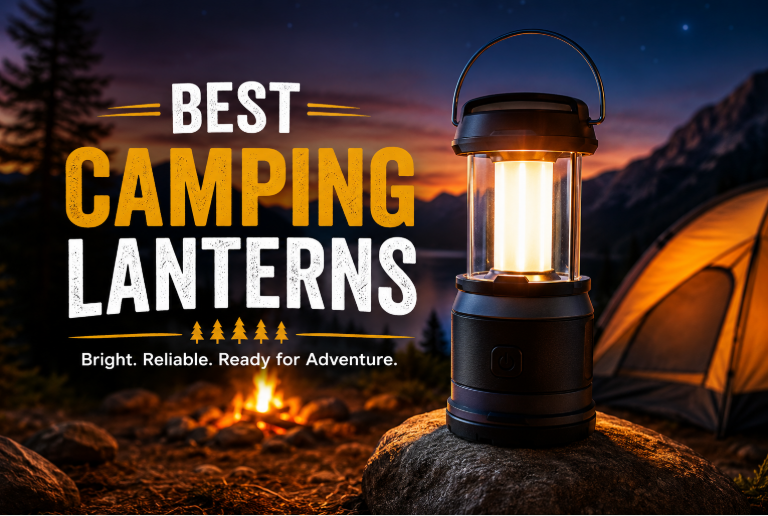
Best Camping Lanterns in 2026: The Ultimate Buyer's Guide for Outdoor Enthusiasts
When the sun disappears behind the mountains and darkness settles over your campsite, one piece of equipment quickly becomes the center of attention—a dependable camping lantern.
Unlike a simple flashlight, a camping lantern provides wide-area illumination that makes cooking, reading, organizing gear, or enjoying conversations around the campsite much easier. Today's camping lanterns are smarter, brighter, lighter, and more energy-efficient than ever before. With LED technology, rechargeable batteries, solar charging, USB power banks, and multiple lighting modes, choosing the right lantern can significantly improve your outdoor experience.
But with hundreds of models available, finding the perfect camping lantern isn't always easy.
This guide will help you understand everything you need to know before buying a camping lantern, including essential features, different lantern types, important specifications, maintenance tips, and recommendations based on various camping styles.
Why Every Camper Needs a Quality Lantern
Many first-time campers assume that a flashlight is enough. While flashlights are excellent for navigating trails, they aren't designed to illuminate an entire campsite.
A quality camping lantern offers several advantages:
-
Hands-free lighting
-
360-degree illumination
-
Better visibility while cooking
-
Safer nighttime movement
-
Emergency backup lighting
-
Comfortable atmosphere for social gatherings
-
Reading and relaxing after dark
Whether you're camping in national parks, RV parks, forests, beaches, or your backyard, a reliable lantern quickly becomes one of your most valuable pieces of gear.
Types of Camping Lanterns
Understanding the different types helps narrow down your options.
1. LED Lanterns
LED lanterns dominate today's market because they offer excellent efficiency and durability.
Advantages include:
-
Extremely energy efficient
-
Long battery life
-
Bright illumination
-
Lightweight
-
Cool to the touch
-
Minimal maintenance
-
Affordable
These are ideal for most campers.
2. Rechargeable Lanterns
Rechargeable lanterns use built-in lithium-ion batteries.
Benefits include:
-
No disposable batteries
-
USB charging
-
Eco-friendly
-
Lower long-term costs
-
Many include power bank functionality
Perfect for frequent campers.
3. Battery-Powered Lanterns
Traditional battery-powered lanterns remain popular.
Pros:
-
Easy battery replacement
-
Great for emergencies
-
Widely available batteries
-
Long storage life
Ideal for emergency preparedness kits.
4. Solar Lanterns
Solar-powered lanterns recharge using sunlight.
Advantages include:
-
Renewable energy
-
Excellent for long trips
-
Reduced battery costs
-
Environmentally friendly
Best suited for sunny camping destinations.
5. Gas Lanterns
Propane or butane lanterns produce extremely bright light.
Pros:
-
Very bright
-
Long runtime
-
Reliable in cold temperatures
Cons:
-
Heavier
-
Requires fuel
-
Generates heat
-
More maintenance
Usually preferred by traditional campers.
Key Features to Look For
Brightness (Lumens)
Brightness is measured in lumens.
General recommendations:
-
100–200 lumens: Tent lighting
-
300–500 lumens: Family camping
-
500–800 lumens: Large campsites
-
800+ lumens: Group camping and emergency use
Avoid buying solely based on maximum brightness—adjustable settings are more practical.
Battery Life
Battery runtime is often more important than brightness.
Quality lanterns may offer:
-
6–12 hours on high
-
20–50 hours on medium
-
100+ hours on low mode
Long battery life means fewer interruptions during your trip.
Weight
Backpackers should prioritize lightweight lanterns.
Approximate weights:
-
Ultralight: Under 8 oz
-
Standard: 10–18 oz
-
Heavy-duty: 20+ oz
Car campers have more flexibility.
Water Resistance
Weather can change quickly outdoors.
Look for:
-
IPX4 – Splash resistant
-
IPX5 – Rain resistant
-
IPX6 – Heavy rain
-
IPX7 – Temporary water immersion
A water-resistant lantern adds peace of mind.
Lighting Modes
Modern lanterns often include:
-
High
-
Medium
-
Low
-
Warm light
-
Cool white
-
Red night vision
-
SOS emergency mode
-
Flashing beacon
More modes increase versatility.
Charging Options
Many premium lanterns support:
-
USB-C charging
-
Solar charging
-
Replaceable batteries
-
Vehicle charging
-
Power bank functionality
Multiple charging methods make travel easier.
Best Camping Lantern Categories
Instead of recommending a single model, consider the best lantern for your needs.
Best Overall
Look for:
-
600+ lumens
-
USB rechargeable
-
Water-resistant
-
Long battery life
-
Adjustable brightness
Ideal for most campers.
Best Budget Lantern
Budget lanterns should still provide:
-
LED lighting
-
250+ lumens
-
Reliable construction
-
Replaceable batteries
Great value without sacrificing reliability.
Best for Backpacking
Backpackers need:
-
Lightweight design
-
Compact size
-
Rechargeable battery
-
Long runtime
-
Hanging hook
Every ounce matters on the trail.
Best for Family Camping
Family campers benefit from:
-
Large light coverage
-
Multiple brightness settings
-
USB charging
-
Durable housing
-
Child-friendly controls
Comfort becomes a priority.
Best Emergency Lantern
Emergency lanterns should feature:
-
Long battery life
-
SOS mode
-
Power bank
-
Bright beam
-
Easy battery replacement
Perfect for power outages and disaster preparedness.
LED vs Gas Lanterns
LED Advantages
-
Safer indoors
-
Longer battery life
-
Cooler operation
-
Lower maintenance
-
Lightweight
-
Silent
Gas Advantages
-
Extremely bright
-
Excellent cold-weather performance
-
Continuous operation with fuel
For most campers, LED lanterns are the better choice.
Essential Accessories
Consider adding:
-
Spare batteries
-
USB charging cable
-
Portable power bank
-
Lantern carrying case
-
Hanging carabiner
-
Solar charger
-
Tripod stand
These accessories improve convenience during extended trips.
Camping Lantern Safety Tips
Follow these safety practices:
-
Never shine bright LEDs directly into eyes.
-
Keep lanterns away from water unless waterproof.
-
Charge batteries using approved chargers.
-
Store batteries properly.
-
Keep gas lanterns away from tents.
-
Allow hot lanterns to cool before packing.
Safety should always come first.
Maintenance Tips
A little maintenance greatly extends lantern life.
Clean Regularly
Remove dust and dirt after every trip.
Recharge Properly
Recharge lithium batteries before long-term storage.
Inspect Seals
Check waterproof gaskets periodically.
Store in a Dry Place
Avoid humid storage areas.
Test Before Trips
Always test brightness and battery life before leaving home.
Common Mistakes Buyers Make
Avoid these common errors:
-
Buying based only on brightness
-
Ignoring battery runtime
-
Forgetting weather resistance
-
Choosing heavy lanterns for backpacking
-
Overlooking charging compatibility
-
Purchasing cheap, unreliable brands
Balancing features is more important than chasing the highest lumen rating.
Camping Lanterns for Different Activities
Car Camping
Choose larger lanterns with maximum brightness.
Backpacking
Prioritize weight and battery efficiency.
RV Camping
Rechargeable lanterns with USB charging are ideal.
Fishing
Water-resistant lanterns perform best.
Hunting
Red light mode helps preserve night vision.
Emergency Kits
Long shelf life and replaceable batteries are essential.
How Many Lumens Do You Really Need?
Many buyers assume brighter is always better.
In reality:
-
Inside a tent: 100–150 lumens
-
Cooking: 250–400 lumens
-
Campsite: 400–600 lumens
-
Large gatherings: 800+ lumens
Using lower brightness when possible significantly extends battery life.
Environmental Considerations
Rechargeable LED lanterns reduce waste by eliminating disposable batteries.
Look for:
-
Energy-efficient LEDs
-
Recyclable materials
-
Solar charging capability
-
Long product lifespan
Eco-friendly gear helps protect the outdoors we enjoy.
Frequently Asked Questions
Are rechargeable lanterns better than battery-powered ones?
For frequent campers, yes. Rechargeable lanterns save money over time and reduce battery waste. However, battery-powered lanterns remain an excellent backup for emergencies.
How long do LED camping lanterns last?
Most quality LED bulbs can last between 30,000 and 50,000 hours, often outlasting the lantern itself with proper care.
Can camping lanterns be used indoors?
Yes, most LED camping lanterns are safe for indoor use during power outages. Gas lanterns, however, should only be used outdoors due to carbon monoxide risks.
Are solar lanterns reliable?
Solar lanterns work well for extended trips in sunny conditions. Many models also support USB charging, making them more dependable in varying weather.
What brightness is best for family camping?
A lantern with 400–600 lumens and adjustable brightness offers an excellent balance of visibility, comfort, and battery efficiency for most families.
My Final Thoughts
Choosing the best camping lantern isn't about finding the brightest option—it's about finding the right balance of brightness, battery life, durability, portability, and ease of use.
For casual campers, a rechargeable LED lantern with multiple brightness settings is often the best all-around choice. Backpackers should focus on lightweight, compact models with efficient battery performance, while families and RV campers may prefer larger lanterns with higher lumen output and power bank capabilities.
No matter where your adventures take you, investing in a dependable camping lantern ensures safer nights, more comfortable evenings, and greater confidence when exploring the outdoors. A quality lantern isn't just another camping accessory—it's an essential companion that keeps your campsite bright, functional, and welcoming long after the sun goes down.

developeradmin
GearInspector contributor. Passionate about helping you make smarter buys.