Best Business Software Tools for Small Businesses in 2026 | Complete Guide
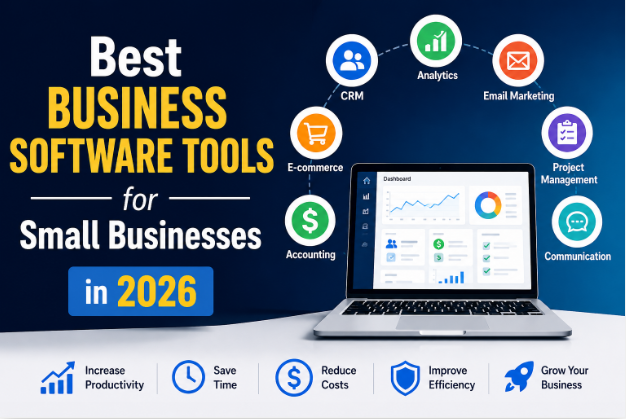
Best Business Software Tools for Small Businesses in 2026
Running a small business has never been more exciting—or more challenging. Today's entrepreneurs are expected to manage customers, finances, employees, marketing, inventory, and operations while staying competitive in a fast-changing digital world. Fortunately, modern business software makes these tasks easier than ever.
In 2026, cloud computing, artificial intelligence (AI), automation, and Software as a Service (SaaS) have transformed how businesses operate. Whether you're a startup, freelancer, online store owner, or local business, choosing the right software can save time, reduce costs, and help your company grow faster.
This comprehensive guide explores the best business software tools for small businesses in 2026, what they do, why they matter, and how to choose the right ones for your needs.
Why Business Software Matters in 2026
Small businesses often have limited budgets and smaller teams. Every minute spent on repetitive tasks is time that could be invested in serving customers or growing the business.
The right software helps businesses:
- Automate repetitive work
- Improve team collaboration
- Manage customers efficiently
- Track finances accurately
- Increase productivity
- Reduce operational costs
- Improve customer satisfaction
- Scale with business growth
Instead of hiring additional employees for every task, many businesses now rely on software to handle daily operations more efficiently.
Features to Look for in Business Software
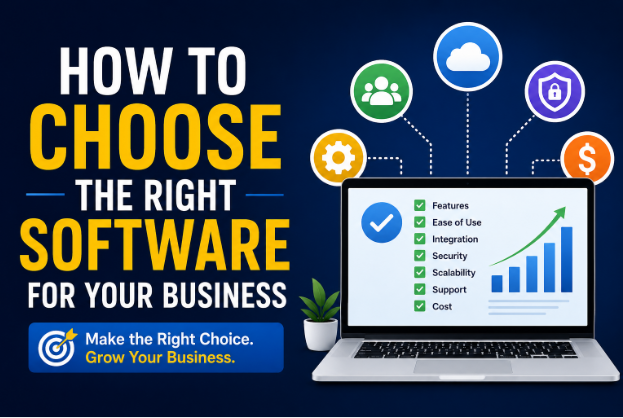
Before investing in any software, consider these essential features:
Ease of Use
Choose software with an intuitive interface that requires minimal training.
Cloud-Based Access
Cloud software lets you work from anywhere using a laptop, tablet, or smartphone.
Automation
Look for tools that automate repetitive tasks such as invoicing, email marketing, or scheduling.
Security
Business software should provide encryption, backups, user permissions, and multi-factor authentication.
Scalability
As your business grows, your software should grow with you.
Integrations
The best software connects seamlessly with accounting, CRM, payment gateways, and other business tools.
Customer Support
Reliable technical support can save valuable time when issues arise.
Best Accounting Software
Managing finances is critical for every business.
Good accounting software helps you:
- Create invoices
- Track expenses
- Generate financial reports
- Manage taxes
- Monitor cash flow
Key Features
- Automated bookkeeping
- Bank synchronization
- Tax calculations
- Profit and loss reports
- Payroll support
This software reduces human errors and saves hours of manual bookkeeping every month.
Best Customer Relationship Management (CRM) Software
Customers are the heart of every business.
CRM software helps businesses:
- Store customer information
- Track leads
- Manage sales pipelines
- Schedule follow-ups
- Improve customer relationships
Benefits include:
- Better customer communication
- Increased sales
- Improved follow-up
- Higher customer retention
For growing businesses, CRM software quickly becomes an essential tool.
Best Project Management Software
When multiple people work on the same project, organization becomes crucial.
Project management software helps teams:
- Assign tasks
- Set deadlines
- Track progress
- Share files
- Collaborate in real time
Popular features include:
- Kanban boards
- Task lists
- Calendars
- Time tracking
- Team messaging
These tools improve productivity while reducing missed deadlines.
Best Communication Software
Clear communication keeps businesses running smoothly.
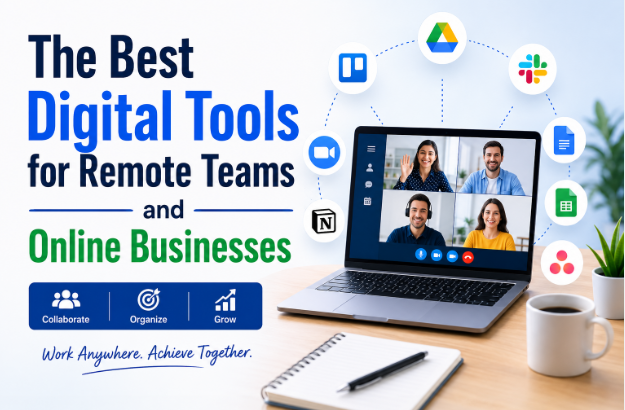
Modern communication platforms offer:
- Instant messaging
- Video meetings
- File sharing
- Team channels
- Voice calls
Whether employees work in the office or remotely, communication software keeps everyone connected.
Best Cloud Storage Software
Every business generates important files.
Cloud storage solutions provide:
- Secure backups
- File synchronization
- Easy sharing
- Version history
- Remote access
Cloud storage also protects businesses against hardware failures and accidental data loss.
Best Marketing Software
Marketing has become increasingly digital.
Marketing software helps businesses:
- Create email campaigns
- Schedule social media posts
- Analyze website traffic
- Build landing pages
- Track campaign performance
Automation features allow businesses to reach customers without spending hours managing campaigns manually.
Best Website and E-commerce Software
For online businesses, a professional website is essential.
Website software enables businesses to:
- Build websites without coding
- Sell products online
- Accept payments
- Manage inventory
- Track orders
Modern platforms also include mobile-friendly templates and SEO tools.
Best Inventory Management Software
Retail stores, wholesalers, and e-commerce businesses need accurate inventory tracking.
Inventory software can:
- Monitor stock levels
- Generate purchase orders
- Track suppliers
- Prevent overstocking
- Reduce inventory shortages
Automation minimizes costly inventory mistakes.
Best HR and Payroll Software
As businesses hire employees, HR responsibilities increase.
HR software helps manage:
- Employee records
- Payroll
- Attendance
- Leave requests
- Performance reviews
- Hiring processes
This reduces paperwork while ensuring payroll accuracy.
Best Customer Support Software
Excellent customer service builds trust and loyalty.
Support software provides:
- Help desk tickets
- Live chat
- Knowledge bases
- AI chatbots
- Customer history
- Performance analytics
Fast responses improve customer satisfaction and encourage repeat business.
Best AI Business Tools
Artificial intelligence is changing how businesses operate.
AI-powered software now helps with:
Content Creation
Generate blog posts, emails, product descriptions, and marketing copy.
Customer Support
AI chatbots answer common customer questions 24/7.
Data Analysis
AI identifies trends, predicts customer behavior, and creates reports.
Meeting Assistance
AI can summarize meetings, create action items, and organize notes.
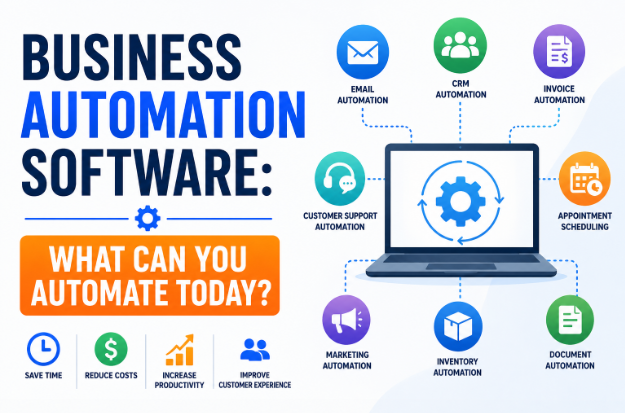
Workflow Automation
Routine tasks such as scheduling, document processing, and email management can be automated.
AI is no longer limited to large corporations—small businesses can now benefit from affordable AI tools.
How to Choose the Right Business Software
Not every business needs every type of software.
Ask yourself:
What problems am I trying to solve?
Identify your biggest operational challenges before shopping for software.
What's my budget?
Many tools offer free plans or affordable monthly subscriptions.
Can it grow with my business?
Choose software that offers advanced features as your business expands.
Does it integrate with my existing tools?
The fewer disconnected systems you have, the more efficient your workflow will be.
Is customer support reliable?
Responsive support can save significant time when technical issues arise.
Common Mistakes to Avoid
Many businesses purchase software without proper planning.
Avoid these mistakes:
- Buying too many tools
- Ignoring employee training
- Choosing software without integrations
- Focusing only on price
- Overlooking security features
- Not testing free trials before purchasing
Careful evaluation helps you select tools that deliver long-term value.
Benefits of Using Business Software
Businesses that adopt modern software often experience:
- Higher productivity
- Lower operating costs
- Better customer service
- Faster decision-making
- Improved collaboration
- Stronger security
- Increased profitability
- Easier business growth
Software allows small businesses to compete with much larger companies by improving efficiency and reducing manual work.
Future Trends in Business Software
The business software industry continues to evolve rapidly.
Key trends shaping 2026 include:
AI Everywhere
Artificial intelligence is becoming a standard feature across accounting, CRM, marketing, and customer service platforms.
Automation First
Businesses are automating repetitive workflows to save time and reduce errors.
Stronger Cybersecurity
Software providers continue investing in encryption, identity management, and threat detection.
Industry-Specific Solutions
More software is being tailored to industries such as healthcare, education, legal services, retail, and manufacturing.
Unified Business Platforms
Instead of using dozens of disconnected apps, businesses are increasingly adopting all-in-one platforms that combine CRM, accounting, marketing, communication, and analytics.
Frequently Asked Questions (FAQ)
What business software should every small business have?
Most small businesses benefit from accounting software, CRM, communication tools, cloud storage, project management software, and marketing tools.
Is cloud-based software better than desktop software?
For most businesses, cloud-based software offers greater flexibility, automatic updates, easier collaboration, and lower maintenance requirements.
Can free business software be enough?
Many free plans work well for startups. As your business grows, upgrading to paid plans often unlocks advanced features and higher usage limits.
How much should a small business spend on software?
The budget varies depending on business size and needs. Many companies start with free or low-cost plans and scale their software investment as revenue grows.
Is AI replacing business software?
No. AI is enhancing business software by adding intelligent features such as automation, predictive analytics, and content generation rather than replacing traditional tools.
Final Thoughts
Business software has become an essential investment for small businesses in 2026. From accounting and customer management to marketing, communication, and AI-powered automation, the right tools can dramatically improve efficiency and support long-term growth.
Rather than trying to use every available application, focus on software that solves your biggest challenges, fits your budget, integrates with your existing systems, and can grow alongside your business. By choosing wisely, small businesses can save time, serve customers better, and stay competitive in an increasingly digital marketplace.

developeradmin
GearInspector contributor. Passionate about helping you make smarter buys.